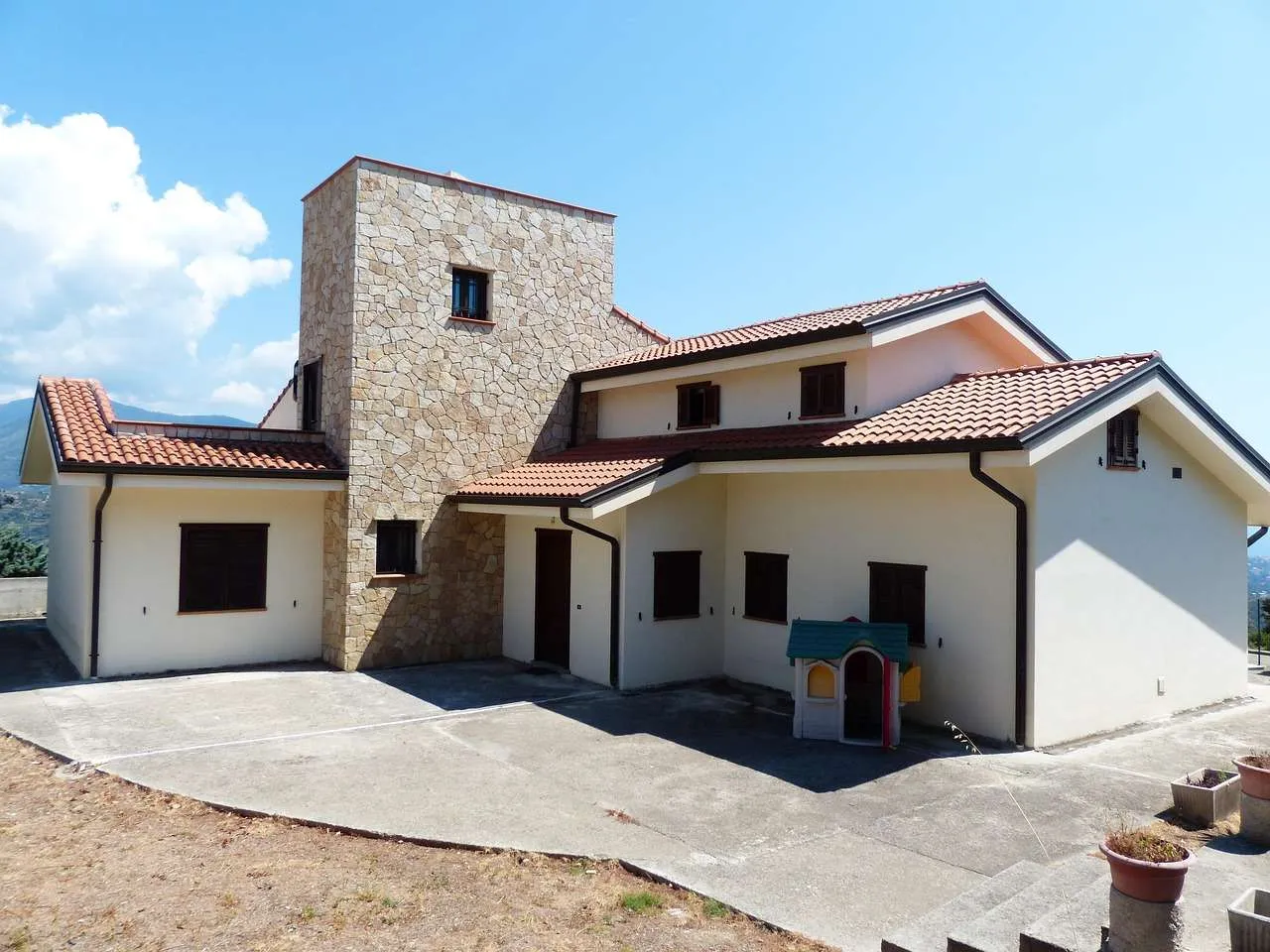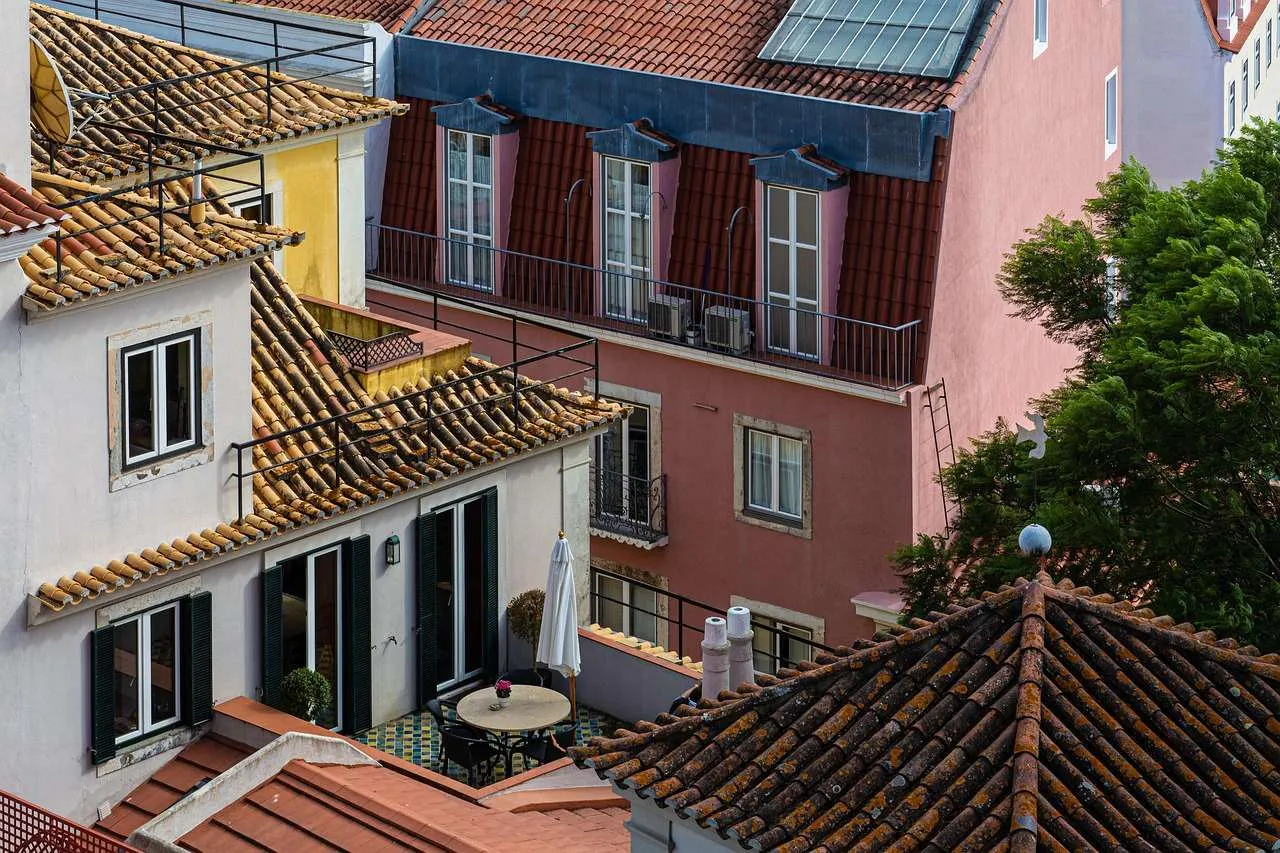
Repair of roofing is a critical part of home maintenance that protects your property and preserves value. Proper diagnosis and timely repairs reduce damage, extend roof life, and lower overall costs. This guide explains the signs, methods, costs, and when to hire a professional for reliable, EEAT-compliant service.
What counts as repair of roofing?
Repair of roofing covers small fixes that stop leaks, restore functionality, and prevent further damage. It includes sealing flashing, replacing missing or damaged shingles, repairing gutters and vents, and patching minor structural issues in the sheathing or underlayment.
Common issues that require repair
- Leaking roofs from damaged flashing or shingles
- Missing or curled, cracked, or granule-loss shingles
- Loose gutters, clogged downspouts, or poor drainage
- Blocked vents or chimney flashing deterioration
- Signs of rot or mold in attic insulation
Signs you need roof repair
- Water stains on ceilings or walls after rain
- Dark spots or mold in the attic
- Visible shingle damage or curling
- Granules in gutters or at the downspouts
- Falls in attic insulation or daylight through roof decking
DIY vs professional repair
While minor repairs may seem doable, roofing is hazardous work and improper fixes can cause more damage and void warranties. Professionals bring safety gear, proper tools, code-compliant methods, and insurance — essential for EEAT. Consider credentialed roofers with local references, warranties, and transparent pricing.
What a professional roof repair involves
A professional inspection identifies the exact cause and extent of damage. Then they typically:
- Document the findings and provide a written estimate
- Isolate the area and make temporary fixes if needed
- Replace damaged shingles or repair flashing and underlayment
- Restore drainage paths and reseal penetrations
- Clean up debris and offer a maintenance plan
Costs, materials, and timelines
Repair costs vary by roof type, extent of damage, and local labor rates. Typical small repairs (shingle replacement, minor flashing) range from $150 to $600 per incident. Moderate repairs could range from $600 to $1,200. Major repairs or structural decking work may exceed $1,500. For roof types like asphalt, metal, tile, or wood shingles, the time to complete a repair usually spans half a day to a full day.
Comparison: Repair vs Replacement
| Option | When to choose | Pros | Cons | Typical cost range | Expected lifespan after |
|---|---|---|---|---|---|
| Repair | Minor damage, localized leaks, good underlying structure | Lower upfront cost, faster, preserves roof material | May not fix underlying issues long-term; may require follow-ups | $150–$1,200 | Depends on remaining life (usually 5–15 years) |
| Replacement | Widespread damage, aging roof, structural concerns | Longer lifespan, improved energy efficiency, warranty | Higher upfront cost, longer installation window | $5,000–$15,000+ (varies by area and material) | 15–50+ years depending on material |
Maintenance tips to prevent future repairs
- Schedule annual inspections, especially after severe weather
- Keep gutters clean and ensure proper drainage
- Trim overhanging branches to reduce debris and moisture
- Address ice dams early in cold climates
- Repair minor issues promptly to avoid escalation
Conclusion
Summary: Timely repair of roofing protects your home, preserves value, and prevents costly damage. By recognizing signs, choosing between DIY and professional services, understanding costs, and following a maintenance plan, homeowners can ensure a durable, weather-ready roof for years to come. Regular inspections, prompt repairs, and proactive maintenance extend roof life and safeguard your investment.